


Safe & Confidential Reproductive Health Services
Reproductive Health Services: A Complete Medical Guide
Reproductive health services include various medical services which aim at promoting sexual, reproductive, and maternal health among women. Reproductive health conditions may include hormonal imbalances, menstrual problems, infertility, pregnancy care, and infections. The treatment option will depend on one's general health condition, and it needs to be done by licensed professionals only. This is educational material only.
Introduction to Reproductive Health Services
Millions of women around Saudi Arabia, Oman, Kuwait, Qatar, and the Philippines suffer from different reproductive health issues each year, but unfortunately, most of them do not have any idea about the safe and proven ways to deal with such problems. If you are suffering from abnormal periods, you need information on what to do in an emergency situation regarding your reproductive health, then reading this information will be very helpful. Reproductive health services include a number of medical treatments ranging from simple gynecologic services to complicated procedures with using mifepristone and misoprostol supervised by physicians. The purpose of this educational guide is to describe reproductive health services, provide details about the causes of typical reproductive disorders, explain their symptoms, and identify signs that require consultation with a professional reproductive doctor. All information contained in this guide is in accordance with WHO recommendations and has only educational value.
Important: This text should not be considered professional medical advice. Always contact a qualified OB-GYN or a reproductive doctor when considering your reproductive health.

Main Features of, Reproductive Health Services
Type of Medical Service
Reproductive & Women's Health Services
Causes
Hormonal issues, infections, physical structure, personal lifestyle
Typical Symptoms
Abnormal cycle, pelvic pain, unusual discharge, infertility issues
Severity Level
Depends on the particular disorder; medical consultation needed
Diagnostic Methods
Physical exam, ultrasound, blood tests, Pap test
Therapies Available
Medications, hormonal therapies, surgery, and counseling
Recovery Time
From several days to weeks depending on the condition
Professional Supervision
Required – licensed OB-GYN or reproductive health expert
Type of Medical Service | Reproductive & Women's Health Services |
Causes | Hormonal issues, infections, physical structure, personal lifestyle |
Typical Symptoms | Abnormal cycle, pelvic pain, unusual discharge, infertility issues |
Severity Level | Depends on the particular disorder; medical consultation needed |
Diagnostic Methods | Physical exam, ultrasound, blood tests, Pap test |
Therapies Available | Medications, hormonal therapies, surgery, and counseling |
Recovery Time | From several days to weeks depending on the condition |
Professional Supervision | Required – licensed OB-GYN or reproductive health expert |
What Are Reproductive Health Services?
Definition and Medical Meaning
Reproductive health services encompass all kinds of medical, clinical, and counseling services related to the health of the reproductive system of both females and males. As defined by the World Health Organization (WHO), reproductive health involves having a responsible, enjoyable, and safe sex life and being able to have children freely at one’s choosing and in the number that suits him/her best.
Reproductive health services include emergency women’s health services, birth control counseling, STI treatments, pregnancy checkups and care, reproductive health examinations, and treatment for any gynecological issues such as endometriosis and PCOS.
Goals of Reproductive Healthcare Services
The objective of reproductive health care services is to help women avoid, diagnose, and treat any issues that may affect the health of their reproductive systems and hormones. The top reproductive clinics within the GCC and the Philippines offer their patients reproductive health care services based on expert advice from board-certified OB-GYN doctors.
🔗External References: WHO Reproductive Health
Disclaimer: Medical definitions in this article are based on WHO and CDC educational materials. Individual conditions vary — seek professional diagnosis.
Common Causes of Reproductive Health Problems
Physical and Hormonal Factors
Disorders related to hormonal imbalance (estrogen, progesterone disturbance)
Genetic risk of reproductive conditions like endometriosis, PCOS
Immune disorders targeting reproductive system components
Structural defects of uterus, ovaries, or fallopian tubes
Lifestyle and Environmental Risk Factors
Nutritional deficiencies and major alterations of body mass
High level of continuous emotional stress
Contact with environmental pollutants or endocrine disruptors
Cigarette smoking and excessive drinking
Diseases Impacting Reproductive System Functioning
Diabetes, thyroid disease
Sexually transmitted infections without treatment
Operations on the pelvis and uterus
Inflammatory diseases
Identifying Symptoms of Reproductive Problems
Menstrual cycle irregularities
Unusual vaginal secretion, foul-smelling or colored
Pelvic area or lower abdominal pain
Discomfort during sexual intercourse
Unable to conceive after a year of trying
Serious Symptoms Necessitating Urgent Reproductive Health Care
Severe pelvic pains accompanied by fever
Bleeding from the vagina uncontrollably
Light-headedness/fainting along with reproductive problems
Signs of ectopic pregnancy: sudden painful cramps, shoulder tip pain
If you suffer from any of the above serious symptoms, get immediate pregnancy medical attention or urgent women’s health care.
-
WARNING: Symptoms listed above are indicative of serious medical conditions, and immediate attention is required. Call your national emergency hotline or visit the nearest specialized reproductive health hospital.
Diagnosis of – Reproductive Diseases and Disorders
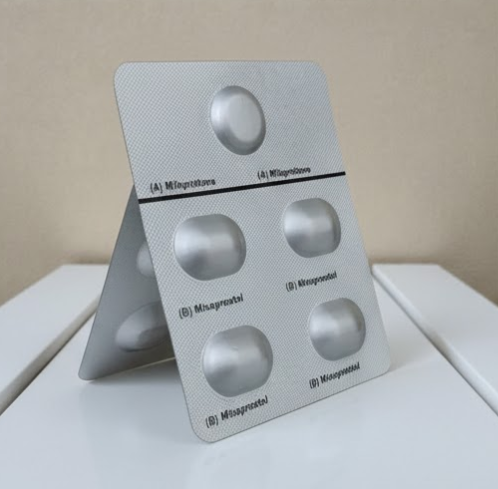
Physical examination by a registered OB-GYN specialist Ultrasound scan of the pelvis Pap test and cervical cancer screening Various blood tests (hormonal analysis, CBC, STI screening) Levels of FSH, LH, estrogens, and progesterones Tests on thyroid gland functioning (TSH, T3, T4) Pregnancy test (hCG) in case of suspected pregnancy Diagnostics for various infectious diseases (STIs) Contraceptive pills for cycle regulation and PCOS treatment Medication with progesterone for luteal phase defect Antibiotics to treat bacteria-induced reproductive system diseases Mifepristone and misoprostol are prescribed according to physician guidelines for pregnancy management Laparoscopic procedures for endometriosis/ovarian cysts Hysteroscopy for polyp/fibroids removal from uterus Artificial insemination (IUI, IVF) for infertility problems Dietary consultation and weight control Management of stress and mental well-being Pelvic floor physical therapy Follow-up care with one of the best reproductive physiciansClinical Investigations and Doctor’s Examination
Laboratory Assessments
Treatment of Reproductive Diseases
Hormonal and Medical Methods
Interventions and Surgical Treatments
Supportive and Lifestyle Care
Disclaimer: Mifepristone and misoprostol are prescription drugs. The usage of such drugs may vary according to the laws of the country of Saudi Arabia, Oman, Kuwait, Qatar, and the Philippines. Always consult a physician before using any medicine
Safety, Side Effects, and Risks
Side Effects That Are Common With Reproductive Procedures
Nausea, bloating, or breast tenderness due to hormonal treatment
Cramping after uterine procedures
Temporary mood changes because of hormonal treatment
Major Risk Factors to Take Note Of
Pelvic inflammatory disease (PID) caused by untreated infection
Risks involved with unsupervised medication intake
Scarring or adhesion formation due to surgical intervention
Preventive Measures That Must Be Taken
Always take into consideration the advice of your reproductive health specialist
Mention all your ongoing medications before you try any new medication
Never take reproductive medicines without proper prescription
Keep attending your follow-up appointments
Authored By: Dr. Marry
Abortion Gamot— Over 30 Years Medical Information Provider | Specialized in Reproductive Health Services for Women Dr. Mary, MD — Consultant Obstetrician & Gynecologist | Maternal-Fetal Medicine Specialist Dr. Mary is experienced in maternal-fetal medicine as well as women’s health care and reproductive health services for more than ten years now. She ensures that all information provided here in the website is accurate and up to date.Medically Reviewed By:
License Number: DMGS-DR013788
Who Must Not Use Particular Reproductive Drugs?
High Risk Individuals
- Persons who have previously shown an allergic reaction to any reproductive drug that will be administered
- People with a history of uncontrolled cardiovascular disease/liver condition
- Pregnant women suffering from confirmed ectopic pregnancy (with certain drugs)
- Persons who suffer from hemorrhage and/or taking anticoagulant medication
Legal Regulations on Medical Use by Countries
Reproductive drugs in Saudi Arabia follow the legal guidelines and policies set by the Saudi Food and Drug Authority (SFDA) and the Ministry of Health in Saudi Arabia. Similarly, reproductive drugs in Oman, Kuwait, and Qatar operate on the rules and guidelines set by their Ministries of Health, while the Responsible Parenthood and Reproductive Health Act of 2012 (Republic Act No. 10354) govern reproductive drugs in the Philippines.
Any usage of drugs like mifepristone and misoprostol should only follow the country’s laws; otherwise, one risks facing legal action.
Saudi Food and Drug Authority (Official Website)
Reproductive Health Act (Philippines)
ALERT! Depending upon your location, there may be other regulations related to reproductive health. Consult your doctor and study applicable laws before proceeding with any treatment.
Recovery and Post-care after Reproductive Treatments
Time Periods of Expected Recovery
- Treatments involving use of medications: 1-2 weeks of recuperation
- Minimally invasive procedures (colposcopy and biopsy): 2-5 days of recovery
- Laparoscopy: 1-2 weeks of rest and limited activity
- Hysterectomy and major surgeries: 4-6 weeks to recover
Post-Care Advice
- Properly rest as advised by your healthcare provider
- Follow the doctor’s advice on medication and treatment
- Visit regularly for follow-up check-ups at the hospital
- Watch out for abnormal symptoms
When To Seek the Help from – a Reproductive Specialist?
Unexpected sharp pain in the pelvis or abdomen Excessive vaginal discharge that requires more than a sanitary napkin hourly High fever coupled with pelvic pain Absence of menstrual cycle even after being pregnant and painful periods Regular Appointments at the Hospital Annual gynecological and pap smear examination Inability to conceive for more than 12 months Alterations in your menstrual cycle’s timing, regularity, and volume In Saudi Arabia, Kuwait, Qatar, and Oman, women can utilize government maternal health centers or private health care facilities for women. In the Philippines, women have access to women’s health services offered by the PGH and Department of Health centers.Symptoms that Require Urgent Medical Attention
When To Go To a Trustworthy Reproductive Clinic?
Recent Studies on – Reproductive Health Services
The 2023 report published by WHO revealed that more than 45% of all pregnancies worldwide were unplanned, indicating the critical need for increasing the availability of safe women’s reproductive health care and counseling services. According to studies conducted and published in The Lancet in 2023, early PCOS treatment using hormone therapy helps prevent diabetes and cardiovascular diseases. Research reported in the Journal of Obstetrics and Gynaecology (2024) found that telehealth consultations for reproductive health are both safe and effective when there is no emergency. As per the reproductive health plan of action published by WHO, GCC health authorities have been building maternal health centers for better reproductive health care services during emergencies.Clinical Highlights (2023–2024)
WHO Reproductive Health Research 2023

Why Choose – Abortion Gamot?
Complete Privacy & Security
Your personal information is kept fully confidential and handled with utmost care.
Genuine Filipino Support
Filipina VAs provide guidance with understanding of your culture & language.
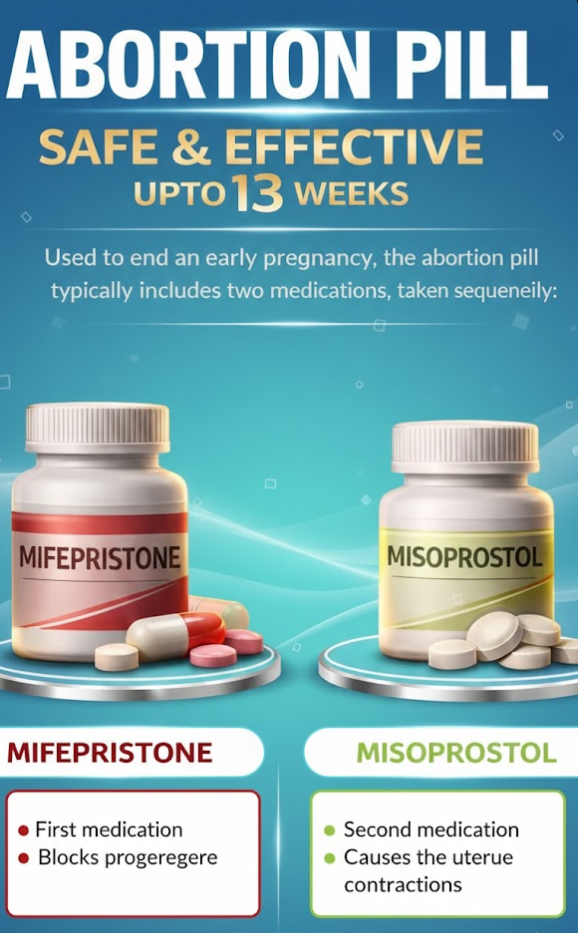
Safe Up to 13 Weeks
Reliable options for early pregnancy care, designed for your safety.
Cash on Delivery Available
Pay only upon delivery, available in major cities for your convenience.
Trusted Since 2022
Years of experience supporting Filipinas safely and privately.
24/7 WhatsApp Assistance
Our team is always ready on WhatsApp to answer your questions and guide you.
Client Success – Stories
Real experiences and screenshots we've helped. Your privacy is our priority, so all sensitive info is blurred.
Thanks Dr. Mary , safe na po ako. Very professional and caring throughout the process.
Reema 6 week
Jeddah Saudi Arabia
Napakabait ni Dr. Mary. Discreet delivery and clear instructions. Salamat po!
Lina 8 week
Sharjah dubai
Fast delivery and 24/7 support. Felt safe and supported throughout. Highly recommended.
Zaina 9 week
Kuwait City, Kuwait
Check Out Our Other Website!
We’re excited to share our others website with you, where you’ll find even more resources, tips, and updates on [topic/niche]. Take a look and explore!
Ready to Order? Contact Dr. Mary Now
Private, safe, and caring support—when you need it most. Thousands of women rely on our abortion gamot.
Frequently Asked Questions (FAQ)
Find quick answers to the Frequently Asked Questions about our All services.
Reproductive health services include medical and clinical care related to women’s menstrual health, fertility, pregnancy, sexually transmitted infections and hormones. They feature consultations, screening, medications and surgical procedures by licensed OB-GYN specialists.
Mifepristone and misoprostol are drugs that are used in early management of pregnancy and in some uterine diseases. In Saudi Arabia, Oman, Kuwait, Qatar and the Philippines, it is subject to strict regulations in accordance with the law. Only use under prescription and supervision of a licensed doctor.
YEmergency reproductive health services include emergency treatment of conditions such as ectopic pregnancy, severe pelvic infection (PID), heavy abnormal bleeding or complications from miscarriage. These services can be provided in trusted reproductive hospitals and emergency departments.They can have services in trusted reproductive hospitals and emergency departments.
In Saudi Arabia, Kuwait, Oman, and Qatar: Check with Ministry of Health or government maternal health centers. The Department of Health (DOH) has a database of certified providers of women’s health services and hospitals in the Philippines.
Yes. Saudi Arabia’s women’s health coverage is provided in full by the Ministry of Health, private hospitals and reproductive health clinics. All reproductive medicines are regulated by the Saudi Food and Drug Authority (SFDA).
If you experience severe pain on one side of your pelvis, heavy bleeding, fever or dizziness while you are pregnant, you may have an ectopic pregnancy or miscarriage. These condition are medical emergencies – attend the nearest emergency department immediately.
Polycystic Ovary Syndrome (PCOS) is a hormonal imbalance that leads to irregular periods, excessive androgen and ovarian cysts. Treatment involves lifestyle changes, hormonal medications and, for some, fertility treatments, all supervised by an OB-GYN.
No. All fertility treatments are carried out by a registered medical practitioner. It is dangerous to take any medication that could assist your fertility when you do not require it, and in Saudi Arabia, Kuwait, Qatar, Oman, and the Philippines, this could be illegal.
In the Philippines, the access of reproductive health services is regulated by the Responsible Parenthood and Reproductive Health Act of 2012 (RA 10354). It seeks to cater for family planning, maternal care and reproductive health education to all Filipinos
It is recommended that adult women have a gynecological exam at least once a year. Pap tests should start at 21 years and then be performed every 3 years or as recommended by your reproductive health provider. There will be other visits depending on the reproductive conditions existing at any particular moment.